

Choosing the right automotive film is one of the smartest investments you can make for your vehicle. Whether your goal is protecting your interior from harsh sunlight, increasing privacy, reducing glare, or improving your vehicle's appearance, quality automotive film delivers long-term value.
In addition, automotive tinted windows provide year-round comfort by blocking excessive heat and harmful UV rays while enhancing driving safety. Many drivers also ask about automotive window tinting cost, and the answer depends on several factors including vehicle size, film type, and installation quality. This guide explains everything you need to know before investing in professional window tinting.
What Is Automotive Film?
Automotive film is a specially engineered polyester film installed on vehicle windows to improve protection, comfort, and appearance. Modern films are available in multiple technologies including dyed, carbon, ceramic, and hybrid options.
High-quality automotive film offers:
Blocks up to 99% of harmful UV rays
Reduces cabin heat
Minimizes glare
Improves privacy
Enhances vehicle appearance
Protects interior materials
Increases driving comfort
Professional installation ensures the automotive film remains bubble-free and lasts for many years.
Why Automotive Tinted Windows Are Worth the Investment
Many drivers choose automotive tinted windows because they provide practical and visual benefits.
Superior UV Protection
Sunlight contains harmful UV radiation that damages dashboards, leather seats, steering wheels, and interior trim. Automotive tinted windows significantly reduce UV exposure, helping preserve your vehicle.
Better Temperature Control
Quality tint blocks solar heat before it enters the cabin. This makes automotive tinted windows especially valuable in hot climates where temperatures can become uncomfortable.
Improved Privacy
Tinted windows make it difficult for outsiders to see valuables inside your vehicle, providing additional security and peace of mind.
Reduced Glare
Glare from the sun or headlights can reduce visibility. Automotive tinted windows minimize glare and improve driving comfort during both daytime and nighttime travel.
Stylish Appearance
Many car owners install automotive tinted windows simply because they give vehicles a cleaner, more premium look.
Different Types of Automotive Film
Not every automotive film offers the same performance. Understanding the available options helps you make the right decision.
Dyed Film
Budget-friendly
Reduces glare
Basic heat rejection
Good appearance
Metalized Film
Reflects heat effectively
Strong durability
May interfere with GPS or mobile signals
Carbon Film
Excellent heat reduction
Matte appearance
Fade resistant
No electronic interference
Ceramic Film
Ceramic automotive film represents the highest level of performance.
Benefits include:
Outstanding heat rejection
Maximum UV protection
Excellent visibility
Long lifespan
No signal interference
Premium optical clarity
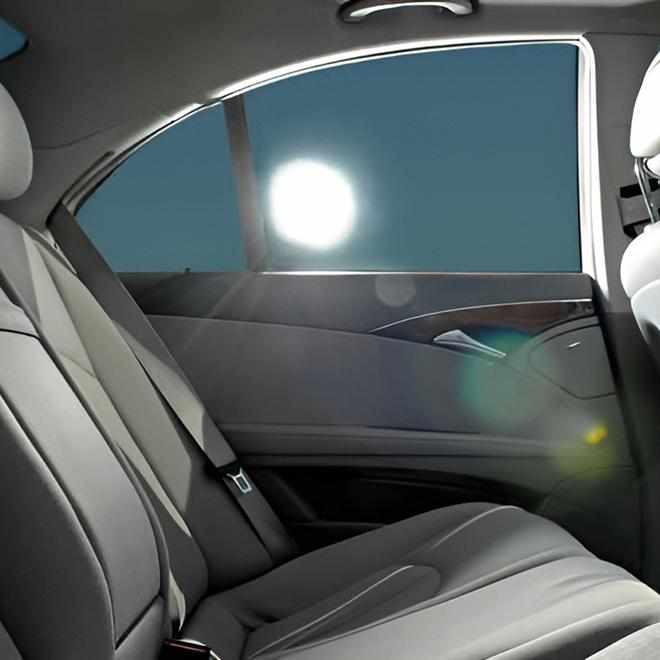

Understanding Automotive Window Tinting Cost
One of the most common questions vehicle owners ask is about automotive window tinting cost.
Several factors influence automotive window tinting cost, including:
Vehicle Size
Larger vehicles require more material and labor, increasing the overall automotive window tinting cost.
Examples include:
Compact cars
Sedans
SUVs
Pickup trucks
Vans
Film Type
Premium ceramic films typically cost more than dyed films due to better performance and durability.
Number of Windows
Tinting only side windows costs less than tinting an entire vehicle.
Installation Quality
Professional installation may increase the initial automotive window tinting cost, but it prevents peeling, bubbling, and premature replacement.
Warranty Coverage
Premium installations often include warranties, adding long-term value.
Benefits That Offset Automotive Window Tinting Cost
Although some people focus only on automotive window tinting cost, the long-term savings often outweigh the initial investment.
Lower Air Conditioning Usage
Reduced cabin temperatures mean your air conditioner works less, improving fuel efficiency.
Interior Protection
Replacing faded dashboards or cracked leather seats can cost significantly more than installing quality automotive film.
Increased Comfort
Passengers enjoy a cooler, more pleasant ride during hot weather.
Better Vehicle Value
Vehicles equipped with professionally installed automotive tinted windows often appear better maintained.
How Automotive Film Protects Your Vehicle
Modern automotive film serves as an invisible protective layer.
Protection includes:
UV radiation
Solar heat
Interior fading
Glare
Minor glass shattering
Eye strain
Many premium films also help hold broken glass together during an accident, improving safety.
Choosing the Best Automotive Film
Before selecting automotive film, consider these important factors.
Climate
Hot regions benefit most from ceramic technology because of superior heat rejection.
Budget
If affordability is the priority, dyed films may be suitable. However, ceramic films provide greater long-term value.
Local Tint Laws
Different regions regulate allowable tint darkness. Always ensure compliance before installation.
Warranty
Choose products backed by manufacturer warranties.
Professional Installation
Even the highest-quality automotive film performs poorly if installed incorrectly.

Maintenance Tips for Automotive Tinted Windows
Maintaining automotive tinted windows is simple.
Follow these recommendations:
Wait before cleaning newly installed tint.
Use microfiber cloths.
Avoid ammonia-based cleaners.
Clean gently.
Inspect edges occasionally.
Park in shaded areas when possible.
Proper maintenance allows automotive film to remain clear and attractive for years.
Common Myths About Automotive Film
Myth 1: Darker Means Better
Heat rejection depends on film technology—not darkness.
Myth 2: Tint Blocks Visibility
Quality automotive film maintains excellent visibility while reducing glare.
Myth 3: All Films Are Identical
Different technologies offer dramatically different levels of protection.
Myth 4: Automotive Window Tinting Cost Is Too High
Considering the protection, comfort, and durability provided, many drivers find automotive window tinting cost to be an excellent long-term investment.
Signs It's Time to Replace Automotive Film
Consider replacing your automotive film if you notice:
Purple discoloration
Bubbling
Peeling edges
Scratches
Reduced visibility
Fading performance
Replacing damaged film restores the full benefits of automotive tinted windows.
Why Professional Installation Matters
DIY kits often lead to:
Air bubbles
Dust contamination
Uneven edges
Reduced durability
Professional installers use specialized tools and precision techniques to ensure your automotive film performs as intended.
Frequently Asked Questions (FAQ)
1. What is automotive film?
Automotive film is a protective window film that reduces heat, blocks UV rays, minimizes glare, and improves vehicle appearance.
2. Are automotive tinted windows legal?
Yes, but legal tint percentages vary depending on your local regulations.
3. What affects automotive window tinting cost?
Automotive window tinting cost depends on vehicle size, film quality, number of windows, installer expertise, and warranty coverage.
4. How long does automotive film last?
Premium automotive film, especially ceramic film, can last 10 years or more with proper care.
5. Can automotive tinted windows reduce heat?
Yes. High-quality automotive tinted windows significantly reduce solar heat entering the vehicle.
6. Is ceramic automotive film worth it?
Yes. Ceramic films provide excellent heat rejection, UV protection, durability, and optical clarity without interfering with electronic signals.
Conclusion
Installing premium automotive film is one of the most effective ways to improve comfort, protect your vehicle, and enhance its appearance. Whether you are considering automotive tinted windows for privacy, UV protection, or heat reduction, choosing a professional installer ensures long-lasting performance. While automotive window tinting cost varies depending on your vehicle and the type of film selected, the long-term benefits—including interior protection, improved comfort, and enhanced driving experience—make it a worthwhile investment for nearly every vehicle owner.


Write a comment ...